
For many older adults, a driver’s license represents more than the ability to get somewhere. It represents decades of self-reliance. The freedom to run an errand without asking anyone, to drive to church on a Sunday morning, to head to Bunyan’s Bar-B-Q for lunch on a whim. In Florence, AL, where getting around often means getting in the car, that driver’s license can feel like the last piece of independence worth holding onto.
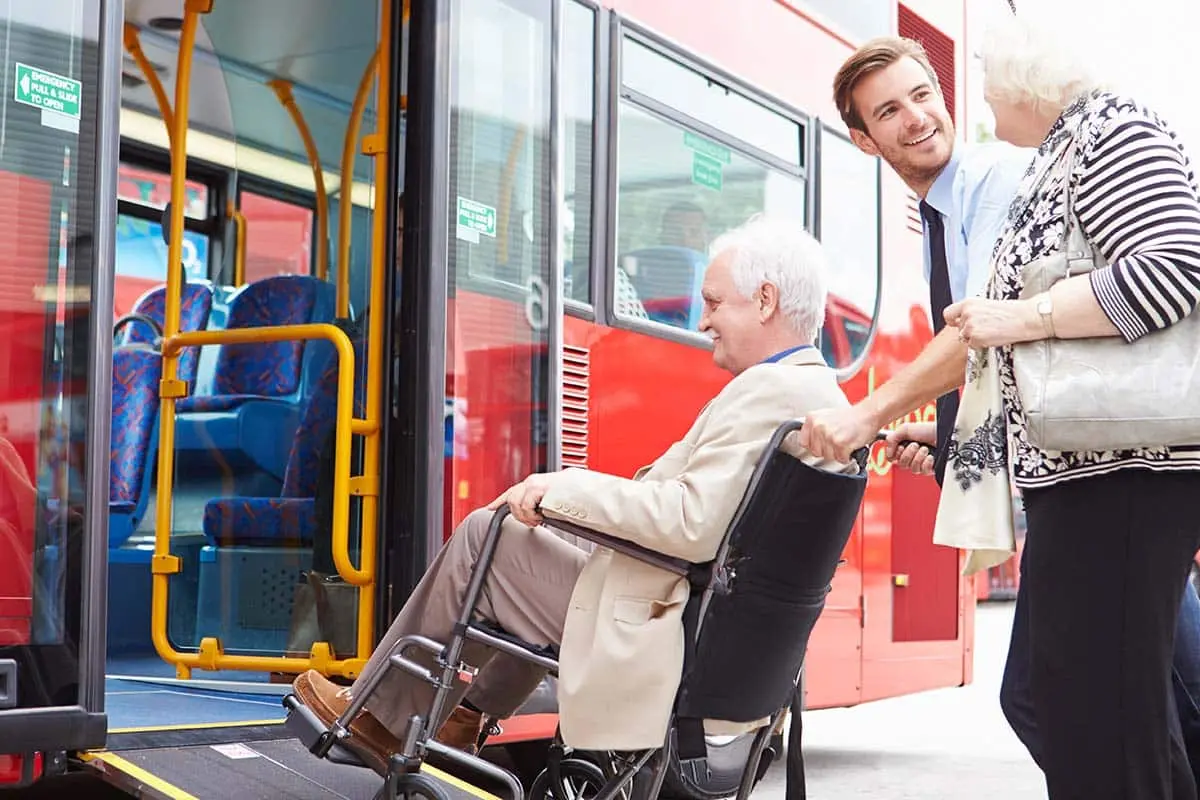
But driving patterns change. Vision changes. Reaction times slow. And at a certain point, families and seniors alike begin asking an honest question: Is keeping a car still worth it, or is it adding stress to a life that deserves less of it?
At The Renaissance of Florence, assisted living is built around that idea. Residents have access to transportation support that handles the logistics so they can focus on the parts of the day that matter most.
Why Is Driving So Closely Tied to Independence?
Driving and independence have been linked for so long that most people treat them as the same thing. For seniors who got their licenses decades ago, long before GPS, rideshare apps, or paratransit services existed, the car was freedom.
That association runs deep, and it does not disappear because the math on driving has changed. According to AARP, 79% of family caregivers in the U.S. provide transportation for an older adult. That number tells two stories at once: Seniors are losing access to their own vehicles, and families are absorbing the responsibility. Neither outcome is ideal on its own.
The better framing is this: Independence is the ability to live the life a person wants. It is getting to the W.C. Handy Museum on a weekday, making it to a medical appointment without borrowing anyone’s time, and having dinner at Odette without waiting on anyone. A car is one way to do those things. It is not the only way, and for many older adults, it is no longer the easiest way.
Can Owning a Car Become More Work Than It’s Worth?
According to AAA, the average annual cost of owning and operating a new vehicle is $11,577. That figure includes insurance, maintenance, fuel, registration, and depreciation. For a senior on a fixed income, that number deserves a hard look.
Beyond the financial cost, car ownership in later life brings real logistical weight. Oil changes, tire rotations, finding a mechanic to trust, keeping up with registration renewals: None of these are enjoyable tasks at any age, and they become more burdensome when driving itself feels less comfortable. Add the stress of navigating busy intersections or driving after dark, and the car that once meant freedom can start to feel like another source of pressure.
Many families find that a parent holds on to the car not because they genuinely want to drive it, but because they cannot picture life without one. That is a problem worth solving directly, and senior living communities are designed to do exactly that.
What Is It Like Getting Around Florence Without a Car?
Florence sits in the Tennessee Valley, and the city has a character that longtime residents know well. It is not a dense urban grid, and it is not so spread out that getting anywhere requires a highway. For seniors at a community like The Renaissance of Florence, located on County Road 47 on the city’s outskirts, the practical picture of car-free living depends on the right transportation support.
Public transit is primarily handled by the Northwest Alabama Council of Local Governments. They offer Dial-a-Ride responsive service in the area. Paratransit is the more practical choice for most older adults, offering scheduled pickup for appointments and errands. Rideshare through Uber and Lyft is available in Florence, though coverage can be inconsistent outside the core city area.
For seniors who appreciate what Florence has to offer, the city gives them plenty worth getting to. The W.C. Handy Birthplace, Museum and Library honors the life of the man widely known as the Father of the Blues, a point of genuine local pride for Shoals residents. Pope’s Tavern Museum connects North Alabama’s Civil War history to the present day. The Shoals Theatre in downtown Florence hosts concerts and performances that have been part of community life for generations. And the Tennessee River waterfront near Renaissance Tower offers some of the most accessible and scenic outdoor space in the area.
For a long-overdue catch-up over some tasty treats, Trowbridge’s Ice Cream & Sandwich Bar has been a downtown fixture since 1918. Bunyan’s Bar-B-Q on West College Street remains a go-to for Shoals residents who have been eating there for decades. These are the kinds of places residents still mention by name, and with the right transportation, they do not have to stop visiting them.
How Does Senior Living Make Transportation Easier?
Senior living communities are not built around the assumption that everyone drives. They are built on the assumption that residents want full, active lives and that transportation is one of the biggest barriers to that.
At The Renaissance of Florence, residents do not have to plan their days around car availability. Scheduled transportation handles medical appointments and essential errands. On-site programming means many of the activities residents care about most happen without anyone needing to leave the building. And when outings are on the calendar, whether to local restaurants, cultural sites, or seasonal events, transportation is already arranged.
This model places the logistical burden on the community rather than the individual. Instead of spending mental energy on whether car insurance has been renewed or whether conditions are safe to drive in, residents put that energy toward the day itself.
How Important Is Access to Healthcare in Florence?
For most seniors and their families, medical appointments are the single biggest reason a car feels essential. Missing a follow-up with a cardiologist or skipping a scheduled lab draw is not a realistic option, and for years, a personal vehicle was the only reliable way to guarantee those appointments happened.
Florence is well-served in this area. Helen Keller Hospital is the primary acute-care hospital serving the Shoals region and part of the Huntsville Hospital Health System. Located in nearby Sheffield, AL, it is approximately 2 to 3 miles from The Renaissance of Florence.
At The Renaissance of Florence, transportation to medical appointments is part of the community’s operations. Residents and their families do not need to coordinate rides or handle their own logistics for scheduled care. That reliability removes one of the most persistent worries families carry when a parent no longer drives.
How Does The Renaissance of Florence Help Residents Stay Active?
Life at The Renaissance of Florence is designed to be full. The community offers assisted living in Florence, AL, with programming and amenities built to support residents’ daily routines, health goals, and social lives. Here is a snapshot of what the community offers:
- Scheduled transportation for medical appointments and outings
- On-site social and wellness programming
- Restaurant-style dining with chef-prepared meals
- Outdoor spaces for walking and fresh air
- Personal care services including medication management, bathing, and grooming assistance
- 24-hour team member support
The Renaissance of Florence holds U.S. News Best Assisted Living awards and A Place for Mom recognition for 2024. Those recognitions reflect a sustained standard of care that families can point to when weighing their options.
Does Living Without a Car Mean Giving Up Freedom?
The honest answer is living without a car does not mean giving up freedom, but that answer only holds if the right infrastructure is in place. For seniors living without adequate transportation options, the loss of a car can mean genuine isolation, and that matters. Social isolation is associated with an approximately 50% increased risk of dementia and a 29% increased risk of heart disease in older adults.
What that statistic argues for is not car ownership. It is staying active and socially involved. Senior living communities address the concern of isolation directly by keeping residents in contact with one another through programming, and with the broader Florence community through organized outings and transportation support. The alternative to driving is not staying inside. It is handing the logistics to someone else so residents can keep showing up.
For many residents, the transition away from driving proves less difficult than expected. The car was never the point. The point was getting to the people and places that mattered. That part does not have to change.