
For many people, the day they moved to Fort Worth was also the day they became a driver. The city grew up around highways, not streetcars, and getting from point A to point B has long meant getting behind the wheel. That’s just part of life in a Texas metro. But as the years add up, the relationship between a person and their car can start to change. Fewer long drives, more reliance on family for appointments, a growing question about what comes next.
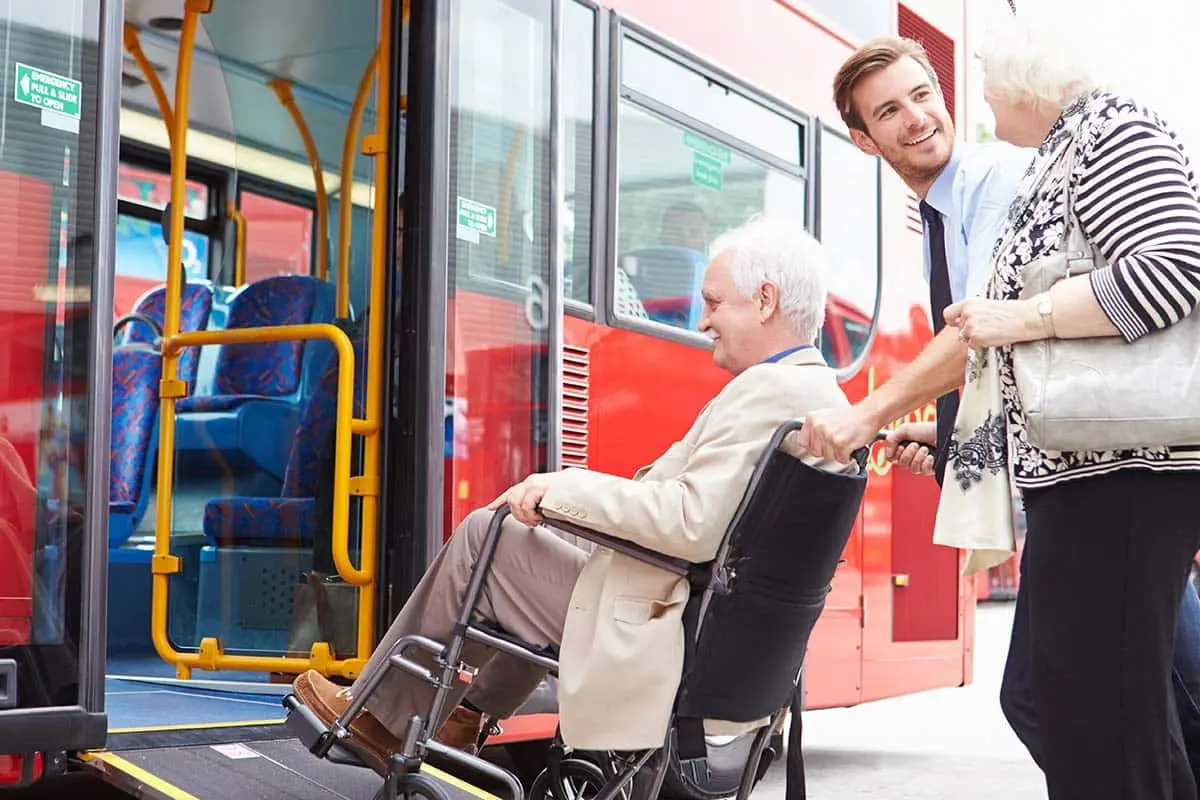
That question matters. Fort Worth is a city with real options for seniors who want to get out and live fully without depending on a personal vehicle. The right community makes all the difference in how practical that actually becomes.
Ridgmar Place, an independent living community on Green Oaks Road in west Fort Worth, is positioned in a neighborhood where residents can reach dining, shopping, arts, and healthcare without the burden of owning a car. For those ready to trade errand stress for more time doing what they love, the picture looks better than many people expect.
Why Is Driving So Closely Tied to Independence?
Most seniors aren’t attached to their cars; they’re attached to what they represent. The ability to leave at will, go where they choose, and return on their own schedule is central to the idea of self-sufficiency. Handing over the keys can feel like giving something up.
But here’s what the research actually shows: The burden of transportation falls heavily on families long before anyone stops driving entirely. According to AARP, 79% of family caregivers in the U.S. provide transportation for an older adult. That means millions of adult children are already rearranging their schedules to drive a parent to appointments and social plans, often while managing jobs, kids, and their own lives.
True independence isn’t about who holds the car keys. It’s about having reliable access to the places and people that matter. When transportation is built into a person’s living situation, that access doesn’t depend on asking someone for a ride.
Can Owning a Car Become More Work Than It’s Worth?
Vehicle ownership comes with costs that are easy to underestimate. According to AAA, the average annual cost of owning and operating a new vehicle is $11,577. That figure covers not just gas and insurance but maintenance, tires, and depreciation. For someone on a fixed retirement income, that number is worth examining carefully.
Beyond the dollars, there’s the time cost. Every oil change, registration renewal, and repair appointment is time taken from other priorities. Driving in a large metro like Fort Worth means traffic, parking, and weather days when the car just shouldn’t move. For some residents, scaling back or stepping away from vehicle ownership entirely isn’t a sacrifice. It’s a sensible trade.
What Is It Like Getting Around Fort Worth Without a Car?
Fort Worth’s west side offers more within reach than many people realize. For dining, Heim Barbecue on White Settlement Road has become a Fort Worth institution, drawing regulars with its Texas craft BBQ and the bacon burnt ends that locals talk about for good reason. Ol’ South Pancake House, which has been operating continuously since 1962, remains a touchstone for longtime Fort Worth residents who want a familiar, no-fuss meal.
The Fort Worth Cultural District is roughly four miles away and includes the Kimbell Art Museum, the Amon Carter Museum of American Art, and the Modern Art Museum of Fort Worth. The Kimbell offers free general admission to its permanent collection, making it a practical option for regular visits. The Fort Worth Botanic Garden, with 23 specialty gardens across 110 acres, draws seniors seeking a few hours outdoors without a crowded or overwhelming setting.
For residents who want to use public transportation, Trinity Metro operates Route 2 (Camp Bowie) and Route 91 in the Ridgmar area, with stops at Calmont and Green Oaks connecting to downtown Fort Worth’s Central Station. Rideshare services operate throughout the city, and Texas Health Harris Methodist Hospital Fort Worth is approximately 6 miles east, well within a practical rideshare range for medical appointments.
Fort Worth is primarily suburban in character, and the Ridgmar area reflects that. Longer trips work best with a ride plan, but residents at Ridgmar Place have real options that go well beyond waiting for family.
How Does Senior Living Make Transportation Easier?
One of the practical advantages of independent living is that transportation logistics don’t fall entirely on the resident or their family. Communities like Ridgmar Place typically provide scheduled transportation for appointments, errands, and planned outings, removing the coordination burden that often lands on adult children.
When a person lives in a community that handles rides to medical appointments or group trips to local destinations, the need for a personal vehicle moves from necessity to preference. Residents who enjoy driving can certainly continue, and those who are ready to step back have infrastructure in place that keeps them connected without requiring them to manage it on their own.
How Important Is Access to Healthcare in Fort Worth?
Medical appointments are the most frequently cited reason seniors keep their cars. Getting to a specialist, a follow-up visit, or a routine checkup on an independent schedule matters greatly. The good news for Ridgmar Place residents is that Texas Health Harris Methodist Hospital Fort Worth, one of the most comprehensive medical institutions in the region, is approximately 6 miles away. As part of the Texas Health Resources system, it offers Level I trauma services alongside a full range of outpatient care.
Communities that provide transportation to medical appointments remove one of the primary reasons people feel they need to keep driving. For residents and their families, that reliability matters as much as proximity.
How Does Ridgmar Place Help Residents Stay Active?
Ridgmar Place offers independent living for seniors who want an active, connected daily life without the overhead of property maintenance. Located on Green Oaks Road in west Fort Worth, the community puts residents close to dining, shopping, arts, and healthcare. Those are the things that make city living worthwhile.
Residents have access to amenities that support an active routine, including:
- Restaurant-style dining
- Fitness and wellness programming
- Scheduled transportation for appointments and outings
- Social programming and group activities
- Comfortable socialization spaces for gathering with friends and family
For families considering independent living in the Fort Worth area, Ridgmar Place offers a location that balances neighborhood accessibility with the support of a senior living community staffed by experienced team members.
Does Living Without a Car Mean Giving Up Freedom?
Research from the National Library of Medicine found that social isolation is associated with approximately a 50% increased risk of dementia and a 29% increased risk of heart disease in older adults. Getting out, seeing people, and staying involved in community life isn’t a luxury. It’s a documented factor in long-term health.
Car-free or car-light living, when supported by the right community and the right location, doesn’t shrink a person’s world. It can actually make it easier to get to the places and people that matter. Rideshare access, scheduled transportation, and proximity to Fort Worth’s most-visited destinations mean that residents at Ridgmar Place have what they need to stay out in the city they know.