
A dementia diagnosis doesn’t mean the end of meaningful friendships. In fact, social connection becomes even more important for seniors navigating memory challenges. At South Hill Village in Spokane, Washington, we’ve created an environment where making friends as a senior with dementia isn’t just possible — it’s part of daily life.
Understanding Friendship and Dementia
Dementia changes how people communicate and interact, but it doesn’t eliminate the human need for connection. Seniors with memory challenges still experience emotions, recognize familiar faces, and feel the comfort of companionship. The key is understanding that friendships may look different than they once did, and that’s perfectly OK.
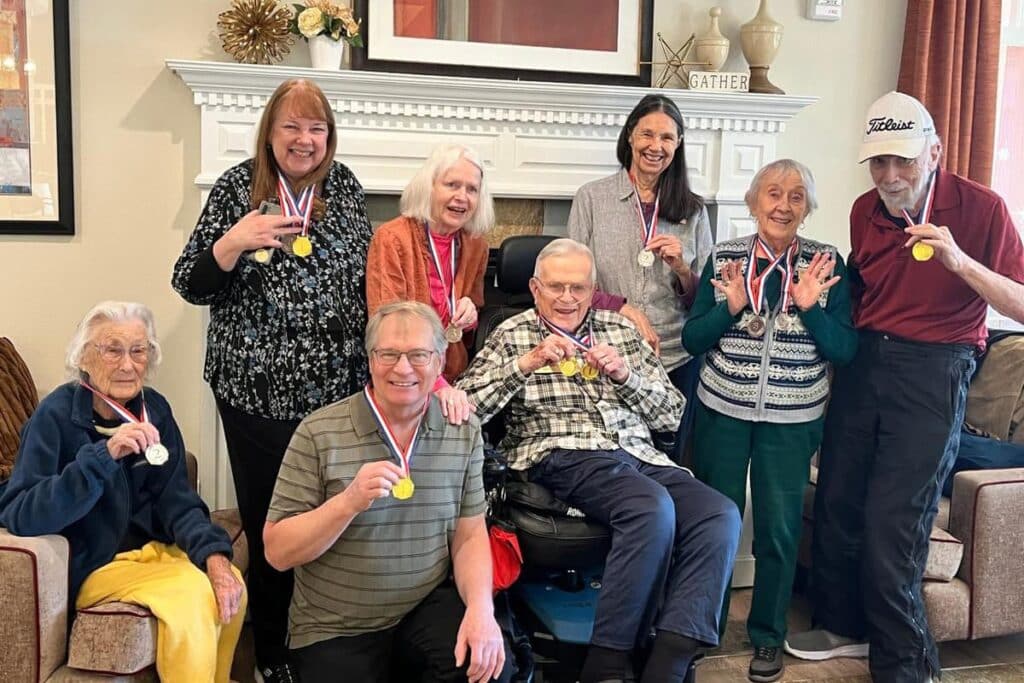
Many families worry that their loved ones will become isolated after a dementia diagnosis. Research shows that social engagement can actually help slow cognitive decline and improve quality of life. When seniors maintain social connections, they experience:
- Reduced feelings of anxiety and depression
- Better emotional regulation throughout the day
- Increased participation in activities and routines
- More moments of joy and laughter
- A stronger sense of identity and purpose
The challenge isn’t whether friendship is possible — it’s creating the right environment where connections can naturally flourish.
How Seniors With Dementia Can Make New Friends
Making friends as a senior with dementia in Washington starts with being in the right setting. Traditional social environments can be overwhelming, with too much noise, confusion, or pressure to remember names and details. Specialized memory care communities offer something different.
Structured Social Opportunities
At South Hill Village, our memory care programming includes daily activities designed for connection. These aren’t one-size-fits-all events — they’re thoughtfully planned moments that encourage interaction without pressure. Music therapy sessions, art classes, gardening clubs, and reminiscence groups naturally bring residents together around shared experiences.
Familiar Routines Build Bonds
Repetition helps. When seniors see the same faces at breakfast each morning or during afternoon activities, familiarity develops. These repeated interactions build comfort and trust, which are the foundations of friendship. Our residents often form their closest bonds with the people they see consistently throughout their daily routines.
Small Group Living Creates Natural Connections
Our memory care neighborhood is designed with intimate, home-like spaces that encourage residents to interact naturally throughout the day. Rather than institutional hallways, we’ve created cozy living areas, quiet corners for conversation, and inviting common spaces where residents gather organically. This residential feel helps seniors with dementia feel comfortable and secure, making it easier to open up and form friendships.
The smaller scale of our memory care community means residents see familiar faces regularly, which is crucial for building trust and recognition. Unlike larger facilities where someone might feel lost in the crowd, South Hill Village creates a home, where everyone knows your name and genuine relationships can develop.
How to Help a Friend With Dementia
If you have a friend who’s been diagnosed with dementia, you might feel uncertain about how to maintain your relationship. The truth is, your friendship matters now more than ever. Here’s how you can continue being a supportive presence:
Stay Present and Patient
Your friend may not remember your last visit or repeat the same stories multiple times. That’s OK. What matters is showing up consistently. Even if they can’t recall specific details, they remember how you make them feel.
Adapt Your Communication
Friends with dementia benefit from clear, simple communication. Speak slowly, maintain eye contact, and give them time to process and respond. Avoid correcting them if they misremember something — instead, go with the flow of the conversation.
Focus on Activities, Not Words
Sometimes the best visits aren’t about talking. Take a walk together, look through old photos, listen to favorite music, or work on a simple craft. These shared activities create connection without requiring complex conversation.
Don’t Disappear
One of the most painful aspects of dementia for families is watching friends fade away. Helping a friend with dementia means staying in their life, even when it’s uncomfortable or difficult. Your presence provides continuity and comfort during a time of significant change.
Why South Hill Village Is Perfect for Making Dementia Friends in Washington
Our Spokane community was designed specifically to support socialization for seniors with memory challenges. Unlike isolated home settings where seniors might go days without meaningful interaction, South Hill Village offers constant opportunities for connection.
A Specialized Social Setting
Our memory care neighborhood features common areas that encourage gathering — comfortable living rooms, outdoor gardens, and activity spaces where residents naturally cross paths throughout the day. The layout itself promotes friendship by making it easy to bump into neighbors and strike up conversations.
Trained Staff Who Facilitate Connections
Our team members do more than provide care—they’re social facilitators. They notice which residents share common interests, encourage group participation, and help residents feel comfortable in social settings. When someone seems withdrawn, our staff gently guides them toward activities where they might connect with others.
Family-Style Dining
Meals at South Hill Village are community events. Residents dine together at communal tables, creating natural conversation opportunities three times a day. These shared meals become some of the most social moments in our residents’ routines.
Comprehensive Programming
From exercise classes to live entertainment, our activity calendar provides dozens of weekly opportunities for residents to interact. We specifically design programming that works for various cognitive levels, ensuring everyone can participate and form connections.
Final Thoughts: Friendship Remains Possible
A dementia diagnosis changes many things, but it doesn’t have to mean the end of friendship and social connection. With the right environment, appropriate support, and opportunities for regular interaction, seniors with dementia can continue forming meaningful relationships throughout their journey.
At South Hill Village in Spokane, we’ve seen countless friendships blossom in our memory care community. Residents who arrived uncertain and withdrawn have found companions who make them smile, roommates who become like family, and a sense of belonging that enriches every day. Making friends as a senior with dementia in Washington is not only possible — it’s happening every day in our community.
Whether you’re a loved one whose family member has a new diagnosis or a friend wondering how to stay connected, remember this: the need for human connection never disappears. It simply needs the right environment and support to thrive.
Frequently Asked Questions
Can someone with dementia still form new friendships?
Yes, seniors with dementia can absolutely form new friendships. While their communication and memory may be affected, the emotional need for connection remains strong. In supportive environments like memory care communities, residents regularly develop meaningful relationships through shared activities, regular interactions, and common experiences. The key is creating opportunities for consistent contact in low-pressure social settings.
How can I maintain a friendship with someone who has dementia?
Stay present and visit regularly, even if your friend doesn’t remember previous visits. Focus on emotional connection rather than factual conversation. Engage in activities together like looking at photos, listening to music, or taking walks. Be patient with repeated stories or questions, and never correct or argue about misremembered details. Your consistent presence provides comfort and continuity, which matters more than perfect recall.
What makes a memory care community good for socialization?
Quality memory care communities feature purposeful design that encourages interaction, trained staff who facilitate connections between residents, structured daily activities that bring people together, and common spaces where natural socializing occurs. The best communities also understand how to adapt social programming for various cognitive levels, ensuring all residents can participate meaningfully.
How does social connection help seniors with dementia?
Research demonstrates that social engagement can slow cognitive decline, reduce anxiety and depression, improve emotional well-being, and enhance overall quality of life for seniors with dementia. Regular social interaction provides mental stimulation, creates routine and structure, reinforces identity and purpose, and produces moments of joy that improve daily functioning.
Experience Community at South Hill Village
If you’re seeking memory care in Washington where your loved one can truly make friends and feel part of a community, we invite you to visit South Hill Village. Schedule a personal tour to see our suites, meet our caring team, and experience the warm, welcoming atmosphere that makes friendship possible. Contact us today to arrange your visit and discover how our specialized setting can provide the social connection your loved one deserves.