
As adults age, many aspects of life change. Simple tasks may take longer. Household routines may feel different. One of the most important things older adults and their families can do is take a close look at how their home environments support healthy and secure living.
Whether your loved one lives independently or requires some assistance, home safety for seniors becomes a crucial concern. At Historic Roswell Place in Roswell, Georgia, we understand the daily challenges families face. As an assisted living and memory care community, we often hear concerns about falls, medication mix-ups, or household risks. Addressing these issues early can make a big difference.
Let’s explore how to promote independence by reducing risks around the home.
Why Focus on Fall Prevention?
According to the Centers for Disease Control and Prevention, falls are the leading cause of injury among older people. One out of four older adults falls each year. While not every fall results in serious injury, the consequences can be significant.
Common fall risks include:
- Muscle weakness
- Vision changes
- Medication side effects
- Household clutter and trip hazards
- Poor lighting
Understanding these risk factors can help families make meaningful changes. Fall prevention for seniors in Roswell and surrounding areas starts with awareness and a plan.
Senior Fall Prevention Tips
Improving senior home safety doesn’t require major renovations. It can start with simple changes.
Evaluate home hazards like:
- Loose rugs or mats that may cause slips
- Narrow walkways filled with furniture or décor
- Electrical cords stretched across walkways
- Dim lighting, especially near stairs or hallways
To reduce the risk of falling, try these tips:
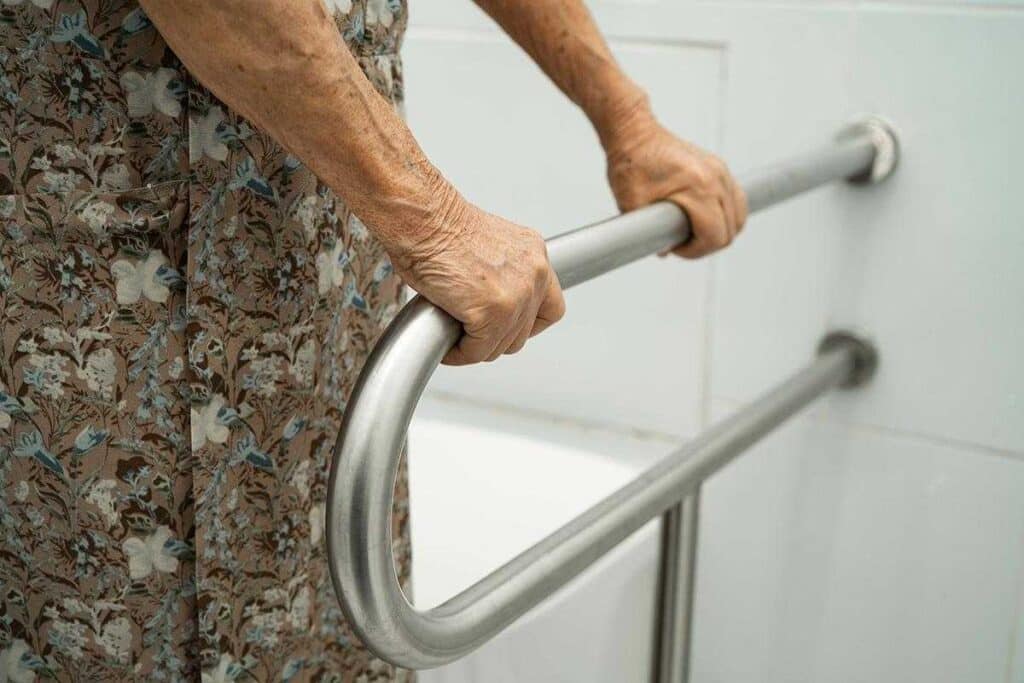
- Install grab bars in bathrooms
- Place non-slip mats in showers and tubs
- Improve lighting with brighter bulbs or motion sensors
- Rearrange furniture to create wider, clutter-free paths
- Keep frequently used items within easy reach
For older adults experiencing changes in balance, an occupational therapist or physical therapist can offer exercises and home strategies. These professionals understand how to support strength, coordination, and recovery after a fall.
Support Fall Prevention With Health Awareness
Physical conditions can increase fall hazards. Talk to your loved one’s health care provider about the following:
- Changes in blood pressure
- Dizziness when standing up
- Changes in medications that may cause drowsiness
- Hearing or vision loss
- Chronic pain or joint stiffness
Encourage regular medical appointments and eye exams. Staying current on health screenings helps reduce the risk of falling and builds confidence with movement. Home safety for the elderly involves taking inventory of the overall environment.
Secure the Home: More Than Just Falls
Beyond trips and tumbles, home safety for older adults includes awareness of fire hazards, kitchen injuries, and scams. These risks grow with age, especially for people experiencing memory loss.
To increase security and prevent accidents:
- Use a stove knob cover or automatic shutoff switch
- Keep a working fire extinguisher in the kitchen
- Store cleaning supplies and medications in locked cabinets
- Install smoke and carbon monoxide detectors in key rooms
- Keep emergency contacts visible and easy to access
- Avoid storing valuables in plain view, especially near windows
For older adults living alone, it’s helpful to install a home alert system or check-in service. Even simple daily communication can prevent delays in responding to emergencies.
Emotional Considerations: When Fear Becomes a Barrier
Falls often cause more than physical injury. After a fall, many older people become more cautious. Some grow fearful of falling, which can lead to reduced activity, lower confidence, and even isolation.
Fall prevention for seniors should address emotional well-being. If a family member notices signs of withdrawal or reduced mobility, they should consider whether fear may be affecting the individual’s quality of life.
Exercise programs that focus on balance and flexibility can be beneficial. Gentle activities like walking, stretching, or tai chi support physical and mental health.
When Home No Longer Feels Comfortable
Families may reach a point where managing home hazards and health concerns becomes overwhelming. If activities of daily living like dressing, grooming, and meal preparation feel out of reach, it may be time to consider more consistent care.
At Historic Roswell Place, we support senior safety at home through expert care within a structured environment. Our team helps residents:
- Manage medications on schedule
- Eat nutritious meals prepared by professionals
- Navigate hallways with fall prevention in mind
- Enjoy meaningful social engagement and connection
Our memory care program, Connections, also provides targeted support for those living with Alzheimer’s and other forms of dementia. Every service is designed to support wellbeing in a secure, respectful setting.
Keep Asking Questions About Home Safety for Older Adults
If your loved one is living at home, ask yourself:
- Is the home accessible and easy to navigate?
- Are there clear walking paths?
- Can my loved one reach and use the kitchen, bathroom, and bedroom without difficulty?
- Are their needs likely to change in the coming year?
Understanding these answers can help guide your next step.
Let’s Talk About Senior Living in Roswell
Whether your loved one needs occasional reminders or daily hands-on help, senior living options in Roswell provide relief for families. Our assisted living and memory care community in Roswell, Georgia, is built to offer peace of mind through professional support and thoughtful design.
We’re here to answer questions, provide guidance, or help schedule a tour of our community.