
The best day to start a new habit is today. It sounds simple, but for many older adults, making changes can feel overwhelming. Habits become more ingrained over time. Even when a change would lead to better health, more energy, or a brighter outlook, getting started is often the hardest part.
At The Rivers at Puyallup in Puyallup, WA, we help older adults understand that habit change is possible at any stage of life. Our community supports residents through positive routines and engaging wellness programs.
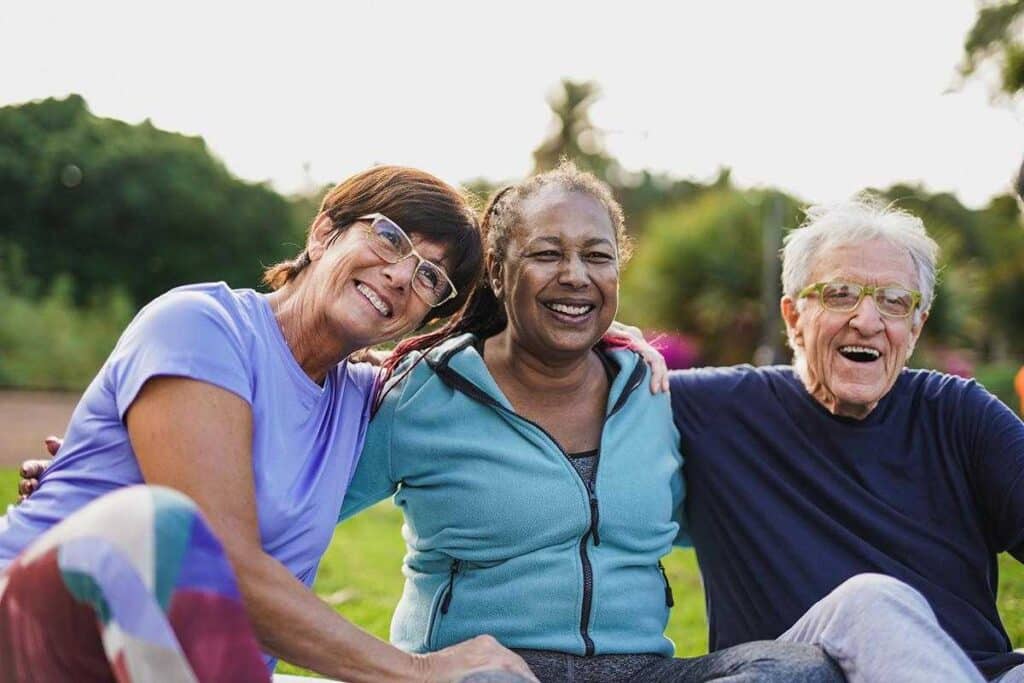
In this blog, we will offer tangible first steps, whether you’re building new habits for yourself or supporting a loved one.
Why Changing Habits Matters for Older Adults
Habits play a big role in overall health. They impact our mood, our physical well-being, and even our relationships. For older adults, small habits can have a significant impact. Adjusting routines can lead to significant health benefits, including reducing the risk of chronic disease, improving energy levels, and boosting one’s mood.
Many families want to help loved ones improve their daily routines, but they’re unsure how to begin. The first step is understanding what elderly habits to look for and how to support changes with kindness and patience.
The Eight Dimensions of Wellness
Healthy habits for seniors don’t stop with exercise and healthy eating. According to Dr. Peggy Swarbrick’s model of wellness, eight areas directly support healthy aging:
- Physical (nutrition, activity, sleep)
- Emotional (coping and stress)
- Intellectual (mental stimulation)
- Social (relationships and interactions)
- Spiritual (values and purpose)
- Environmental (living conditions)
- Occupational (activities with meaning)
- Financial (budgeting and access)
Keeping these areas in balance is a great way to build the foundation of a healthy lifestyle.
9 Habits in Seniors That Can Be Changed
Let’s look at nine common senior habits that may develop with age. These are normal, but when left unaddressed, they can impact wellness. Seniors’ changing habits can be adjusted with support, time, and a plan.
1. Skipping meals or eating the same foods repeatedly
This can limit nutrients and lead to low energy. Seniors may lose interest in meals or forget to eat. A healthy diet, like the Mediterranean diet, can improve energy and support brain health.
Tip: Encourage meals with others, offer variety, and consider meal services if needed.
2. Avoiding social activities and isolating themselves
Loneliness is common with aging and can impact both mental and physical health. Staying social is linked to better mood and longer life, while avoidance can be a warning sign of dementia.
Tip: Plan weekly phone calls, sign up for local clubs, or explore senior community activities.
3. Stopping regular exercise or physical activity
Physical activity helps reduce the risk of heart disease, high blood pressure, and supports overall mobility. A lack of movement can lead to a loss of strength and balance. Of course, physical wellness has a direct impact on brain health.
Tip: Start small. Walking, stretching, or seated exercises can help you stay active.
4. Neglecting personal hygiene and grooming
This is often a sign of depression or memory concerns. Poor hygiene can increase the risk of health problems.
Tip: Help build a routine. Set reminders or schedule help with grooming if needed.
5. Driving when vision or reflexes are compromised
It can be hard for older adults to give up driving. This change affects independence, but health care and safety should come first.
Tip: Explore ride options together and help them feel supported in making this change.
6. Avoiding medical appointments or medication management
This is one of the more common elderly habits that can lead to serious health problems. Skipping check-ups or forgetting medications may seem minor at first, but can result in unmanaged chronic disease or hospitalizations.
Tip: Set reminders for appointments and check on medication routines. Help coordinate health care when needed. Families can help by creating a calendar, setting reminders, or arranging support from a caregiver or home care service.
7. Dwelling on negative thoughts or past regrets
This can lead to depression or loss of interest in life. Aging brings many emotional changes, but mental health is just as important as physical health.
Tip: Talk openly, listen, and consider counseling or support groups.
8. Avoiding learning new things or trying new experiences
Some people stop trying new activities out of fear or habit. But lifelong learning can improve brain function and delay cognitive decline.
Tip: Introduce new hobbies or group classes, especially ones that combine creativity and fun.
9. Refusing help when clearly needed
It’s hard to ask for help, especially for aging parents who are used to being independent. However, accepting help can improve daily routines and provide needed relief.
Tip: Talk about support as a partnership. Suggest options like home care, personal care, or assisted living if needed.
FAQ: Changing Habits as a Senior
Is it too late to change habits as a senior?
No. Seniors can build healthy routines at any age with small, consistent steps.
What are the most important habits to focus on?
Healthy eating, staying active, socializing, and keeping up with health care.
Why do elderly habits stick so firmly?
They form over decades, but with patience and support, they can shift.
How can I support a loved one?
Encourage daily routines, offer help without pressure, and celebrate progress.
Connect, Move, Learn: A Habit-Building Sequence That Works
At The Rivers at Puyallup, our Connections memory care program uses a signature activity method called Connect, Move, Learn. This structure is based on the work of Dr. Sandra Petersen and supports overall wellness.
Here’s how it works:
- Connect: Start the day with a conversation or activity that encourages interaction. This supports emotional connection and sets a positive tone.
- Move: Follow up with physical activity like walking, stretching, or dancing. Movement (especially cross-body) boosts circulation, energy, and brain connections.
- Learn: End with a cognitive activity like puzzles, games, or storytelling. This supports brain function and mental alertness.
This structure works for all older adults, not just those with memory loss. It’s a practical way to create engaging routines that benefit the body, mind, and relationships.
Forming Better Habits Through Community Life
Changing habits can be hard to do alone. That’s why senior living communities like The Rivers at Puyallup are a good option. With regular meals, group activities, fitness classes, and 24-hour support, we create an environment where positive senior habits come naturally.
Families often see that their loved ones eat better, move more, and reconnect socially after moving into a supportive community.
“I have lived at The Rivers for over three years and hopefully many more. Management and staff show real interest in how we are doing and make us feel like a family. There are activities for everyone: exercise, games, art and crafts, movies, or just reading a book on the patio. For those who want to see the area, downtown is two blocks away; stores, restaurants, parks, and plenty of community events.”
– Resident Google Review
We believe every day is a new chance to choose wellness. The earlier you begin, the sooner you feel the benefits.
Final Thoughts on How to Change Habits as a Senior
In conclusion, changing habits later in life is possible, especially when approached with support and small, steady steps. Recognizing common routines that no longer serve your health is the first step. Building new ones brings better outcomes for both mind and body.
Whether you are trying to help a loved one or making changes yourself, remember this: You don’t have to do it all at once. You just have to start today.
Contact us to learn how The Rivers at Puyallup supports healthy aging with daily routines, personalized care, and a community designed for wellness.