
For many older adults, the keys on the kitchen counter represent far more than a way to get somewhere. They represent decades of going where they wanted, when they wanted: the grocery store midweek, a grandchild’s school play across town, a doctor’s visit handled without asking anyone for help. That relationship between driving and independence runs deep, and the thought of changing it can feel like losing something fundamental.
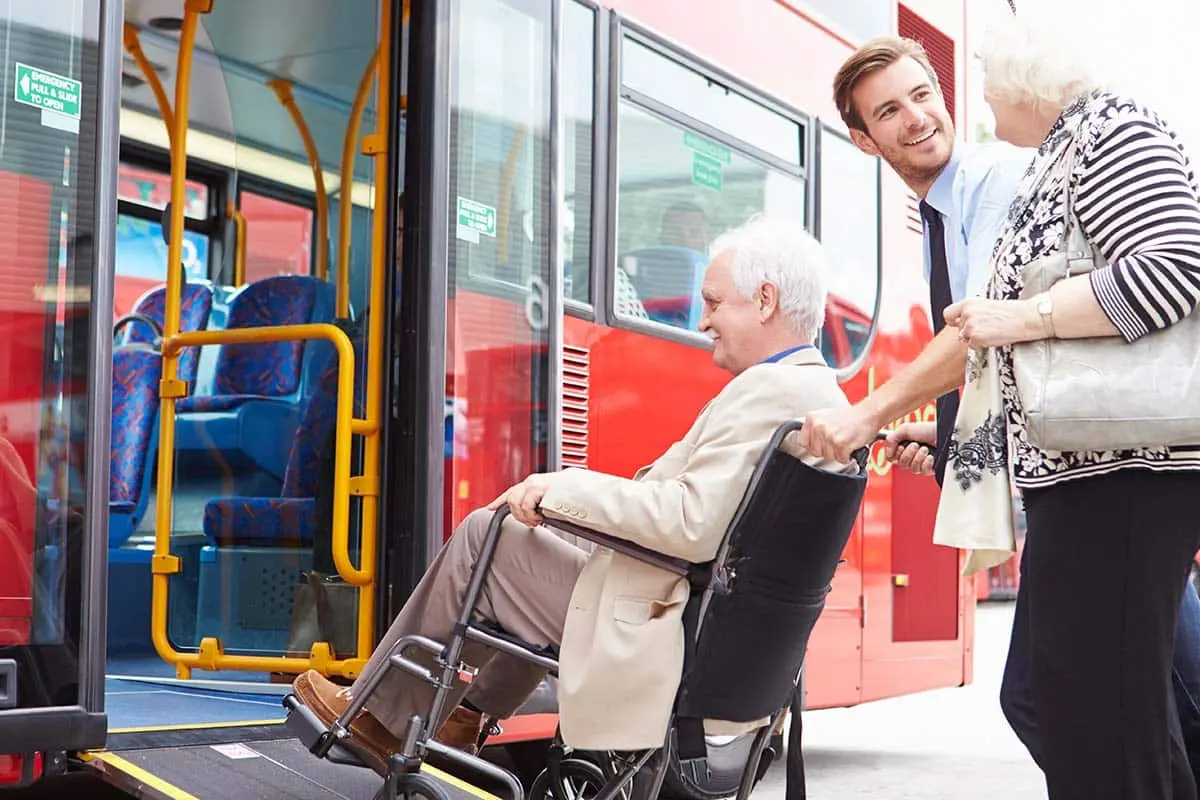
Many families find that the change away from driving does not have to feel like a step backward. Across the country, transportation options for seniors have expanded considerably, and senior living communities have built transportation directly into the daily flow of life. What once required coordinating rides with adult children or waiting on unreliable services has become something far more organized and far less stressful.
Pegasus Senior Living communities are designed around the understanding that getting around matters. Transportation for seniors is woven into daily community life, covering everything from medical appointments to shopping trips and group outings.
Why Is Driving So Closely Tied to Independence?
Ask an older adult about their car and the topic rarely stays practical for long. A vehicle is tied up with identity: being the one who shows up, not the one who needs a ride. Losing access to a car or choosing to drive less can feel like a public acknowledgment of aging, even when the decision makes perfect sense.
According to AARP, 80% of family caregivers in the U.S. provide transportation for an older adult. That statistic points to something important: When seniors can no longer drive themselves, the burden typically falls on adult children who are also managing careers, households, and their own lives. The strain is real on both sides.
What reframes this topic is recognizing that independence is not really about car ownership. It is about the freedom to do what matters: seeing a doctor without rearranging someone else’s schedule, getting out regularly, and staying connected to the people and places that make life worthwhile. Transportation options for seniors, when they work well, deliver exactly that freedom without requiring anyone to sit behind the wheel.
Can Owning a Car Become More Work Than It’s Worth?
A personal vehicle is a financial undertaking that many seniors carry out of habit rather than necessity. According to AAA, the average annual cost of owning and operating a new vehicle is $11,577. That figure covers payments or depreciation, insurance, fuel, maintenance, and repairs, all costs that continue regardless of how often the car actually leaves the driveway.
For older adults who drive infrequently, that math gets harder to justify over time. A car that sits parked most of the week still costs money every month. Add in the ongoing demands of insurance renewals, unexpected repairs, and maintenance appointments, and vehicle ownership becomes a source of obligation rather than convenience.
Transportation options for the elderly, particularly scheduled transportation through a senior living community, change that equation entirely. Residents access reliable rides to appointments and outings without absorbing the full cost of car ownership. Time at the repair shop gets replaced with time spent doing something worth doing.
What Transportation Options Are Available for Seniors?
Transportation options for seniors have grown well beyond what was available a generation ago, and understanding the range helps families plan more clearly for life with less driving. Most senior living communities provide scheduled transportation to appointments for seniors as part of their standard programming. This typically includes regular trips to medical offices, pharmacies, grocery stores, and planned group outings. The schedule is posted in advance, residents sign up for the trips they need, and a team member handles all the logistics.
Rideshare services have become increasingly accessible for older adults, particularly through apps designed with larger text and simpler navigation. These services work well for trips outside a community’s scheduled transportation hours.
Many metropolitan areas now operate paratransit programs for older adults and people with disabilities. These programs vary by location but generally offer door-to-door service at reduced fares for qualified riders. For medical transportation, some states offer nonemergency medical transportation through Medicaid for eligible residents. This covers rides to covered healthcare services for those who qualify, reducing the burden on family caregivers considerably.
Volunteer driver programs also serve seniors across the country. Organizations like ITNAmerica and local nonprofits match older adults with volunteer drivers for appointments and errands, often at low or no cost.
How Does Senior Living Make Transportation Easier?
The practical advantage of senior living is that transportation logistics are handled before the resident ever needs to ask. Rather than coordinating a ride days in advance, calling family, or navigating an app in a hurry, residents know that transportation to appointments for seniors is scheduled, reliable, and already built into the week.
Pegasus Senior Living communities provide scheduled transportation covering medical appointments, shopping trips, and group outings. Residents do not need to own a car, maintain one, or manage the planning that goes with it. When an appointment comes up, the team handles it.
This matters most for residents managing multiple medical appointments across different providers. Instead of depending on adult children to take time off work repeatedly, or relying on services that may run late or not show at all, residents have a consistent resource they can count on. Families gain confidence knowing their loved one will get where they need to go.
How Important Is Access to Healthcare Without Driving?
Medical appointments are the most cited reason older adults say they need to keep their car. Whether it is a specialist visit, a lab draw, a follow-up with a primary care physician, or physical therapy, healthcare access drives the majority of transportation planning for seniors who no longer drive regularly.
The concern is legitimate. Missing appointments because of transportation problems has real health consequences, particularly for older adults managing chronic conditions. Within a senior living community, that concern largely resolves. Transportation to appointments is part of the service, which means a missed ride does not mean a missed appointment.
Pegasus Senior Living communities are located throughout the country, many within a reasonable distance of major health systems, specialty clinics, and hospital campuses. Regardless of which Pegasus community a resident lives in, the team handles transportation coordination so healthcare stays accessible.
How Does Pegasus Senior Living Help Residents Stay Active?
Transportation is only part of the picture. What residents return to after those outings matters just as much. Pegasus Senior Living communities are built around celebrating and enhancing each life with kindness and integrity. Across independent living, assisted living, and memory care, that mission shows up in programming that keeps residents active, connected, and invested in their daily lives.
Typical community offerings include:
- Scheduled transportation for medical appointments and group outings
- Fitness and wellness programming
- Social events, games, and group activities
- Dining programs with restaurant-quality meals
- Arts, music, and lifelong learning programs
- Connections memory care programming, an evidence-based program built around three principles: Connect, Move, and Learn
For residents in memory care, the Connections program offers individualized, dementia-supportive programming developed around neuroplasticity research. The approach treats engagement as therapeutic rather than recreational, designing activities that support cognitive health over time.
Does Living Without a Car Mean Giving Up Freedom?
Research on social isolation makes a strong case for rethinking what freedom actually looks like in later life. A study published in the National Library of Medicine found that social isolation is associated with approximately a 50% increased risk of dementia and a 29% increased risk of cardiovascular disease in older adults. Staying connected is a health outcome, not just a preference.
For seniors living alone who have stopped driving, isolation becomes a genuine risk. Trips to the store stop happening. Visits with friends get harder to arrange. Appointments get pushed off. The car, when it was running, was doing more than providing transportation: It was keeping the person in contact with the world around them.
Alternatives to driving for seniors, particularly within a senior living community, address that risk directly. Residents are surrounded by neighbors, programming, and team members every day. Outings happen on a regular schedule. Meals are shared rather than eaten alone. When transportation is handled and community life is full, the absence of a personal vehicle stops feeling like a limitation.